
Introduction: Why Sayer Dates Are the King of Export Markets
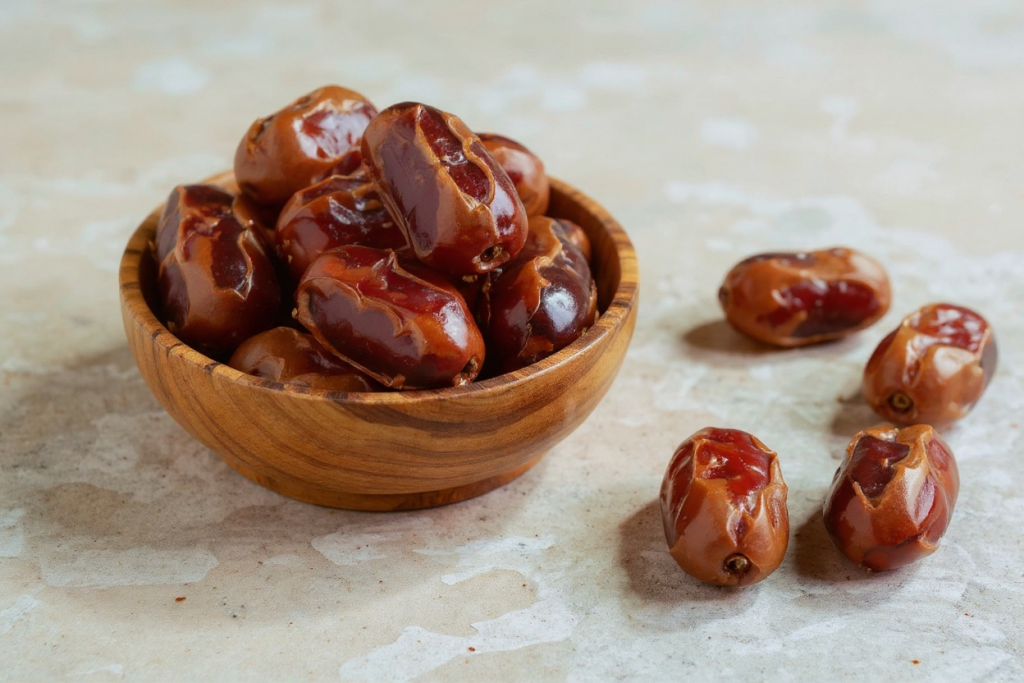
In the competitive landscape of global dried fruit trade, Sayer Dates (also known as Estameran) stand out as one of the most commercially viable and sought-after varieties. For an international buyer, distributor, or food manufacturer, sourcing the right date variety is a balance between flavor profile, shelf-life stability, and logistics costs. Sayer dates offer the perfect equilibrium.
As a semi-dry variety native to the mineral-rich soils of the Middle East (specifically the Khuzestan region), Sayer dates are unique. Unlike high-moisture dates that require expensive refrigeration (reefer containers) and have short shelf lives, Sayer dates possess a natural moisture content of less than 16-18%. This allows for ambient storage, reduced shipping costs, and a shelf life exceeding 18 months—making them the ideal candidate for bulk export and industrial applications.
This comprehensive guide is written for serious buyers. We will cover technical specifications, grading systems (Super Select to FAQ), processing standards, nutritional value, and the logistics of importing Sayer dates to Europe, Asia, and the Americas.
1. Varietal Profile: What Distinguishes Sayer Dates?
Understanding the botanical and sensory characteristics of the Sayer date is the first step in positioning it for your local market.
Texture and Moisture Content
The defining feature of the Sayer date is its semi-dry texture. The meat of the fruit easily separates from the pit, which makes this variety the number one choice for producing Pitted Dates without mangling the fruit’s shape.
- Moisture Level: Typically 15% to 18%.
- Texture: Firm but chewy, not sticky or syrupy.
- Separation: The skin adheres somewhat loosely to the flesh but remains intact during processing.
Flavor Profile
Sayer dates have a distinct, concentrated sweetness. Because the water content is lower, the natural sugars (fructose and glucose) are more condensed.
- Tasting Notes: Caramel, toffee, and brown sugar.
- Sweetness: High, but balanced by a savory, nutty undertone unique to the Estameran cultivar.
Visual Appearance
- Shape: Elongated and oval.
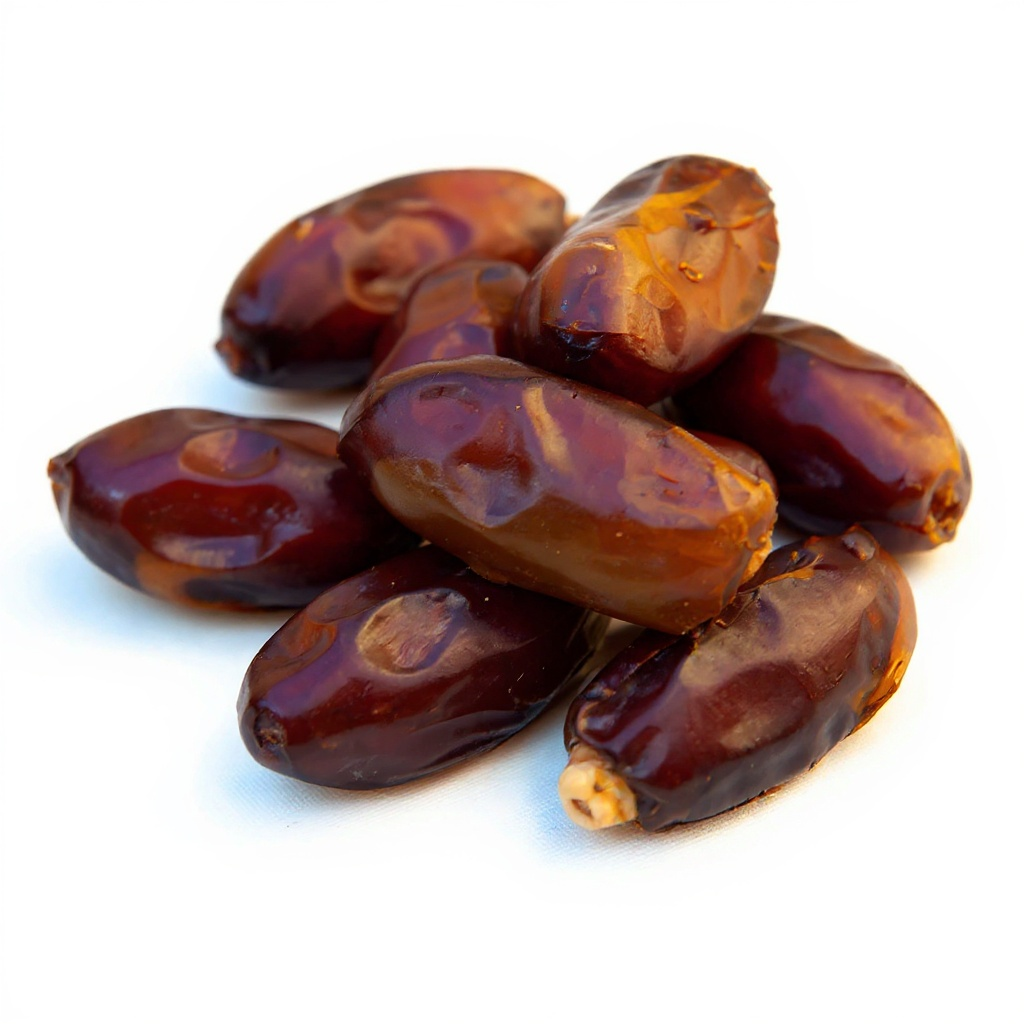
- Color: Ranges from reddish-amber to dark brown. Higher quality grades (Select) tend to be more uniform in dark brown color, while lower grades may show lighter, reddish hues.
2. Commercial Grading System: Select, GAQ, and FAQ
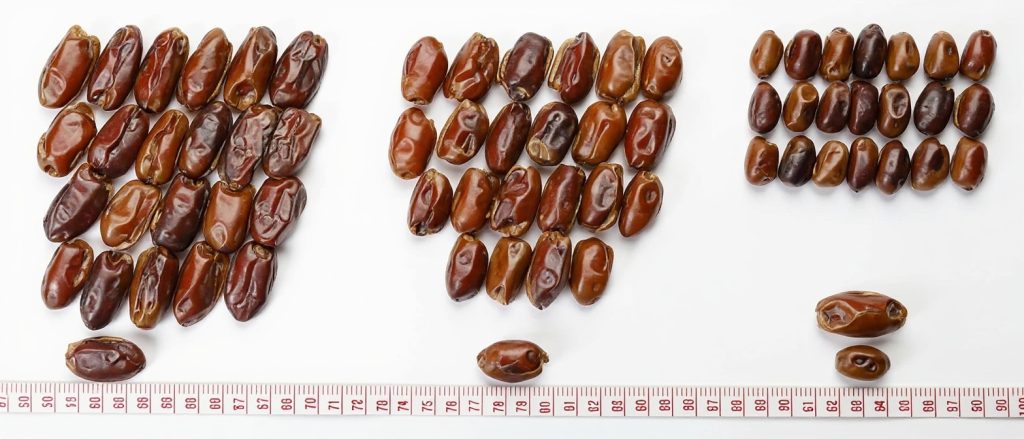
When buying Sayer dates wholesale, terminology is everything. The price difference between grades can be significant. As an exporter, we adhere to international grading standards based on size (count per pound/kg) and physical defects.
Super Select & Select Grade
This is the premium tier, often intended for direct retail packaging (consumer packs).
- Characteristics: Uniform size, dark brown color, zero infestation, intact skin.
- Count: Approximately 70-80 dates per kilogram.
- Target Market: High-end supermarkets, gift shops, and specialty health food stores.
GAQ (General Average Quality)
The most popular grade for the mass market. It balances quality with price.
- Characteristics: Good flavor, slight variation in color allowed, minor skin separation permitted.
- Count: Approximately 90-100 dates per kilogram.
- Target Market: Discount retailers, bulk bins, and general wholesale distribution.
FAQ (Fair Average Quality)
This grade is smaller and may have more visual imperfections, but the sugar content and nutritional value remain identical.
- Characteristics: Smaller size, mixed colors, higher skin separation.
- Count: 100-120+ dates per kilogram.
- Target Market: Ingredient manufacturing, pastes, confectioneries, and price-sensitive markets (e.g., parts of Eastern Europe and CIS countries).
Industrial / Pitted / Chopped
Sayer dates are the primary variety used for industrial by-products because they don’t mash when pitted.
- Pitted Sayer: Whole dates with the seed removed mechanically or manually.
- Chopped Dates: Diced dates rolled in dextrose or rice flour (to prevent sticking), used in granola, cereals, and baking.
3. The Cultivation and Harvesting Cycle
Quality control begins in the grove. Sayer palms are highly resistant to salinity and drought, thriving in the harsh climates of Khuzestan.
Pollination and Thinning
Occurring in March and April, mechanical or manual pollination ensures yield. Crucially, “thinning” (removing excess fruit clusters) is practiced to ensure the remaining fruits grow to “Select” sizes.
The “Tamar” Stage Harvest
Unlike Mazafati or fresh dates which are harvested at the “Rutab” stage (high moisture), Sayer dates are left on the palm until they reach the Tamar stage.
- Harvest Time: Mid-September to Mid-October.
- Natural Drying: The sun naturally dries the fruit on the tree, locking in the sugars and eliminating the need for artificial heat tunnels, which preserves the enzyme integrity of the fruit.
4. Processing and Quality Control for Export
Once harvested, the raw dates move to HACCP and ISO-certified packing houses. This is where the value is added.
1. Fumigation and Quarantine
Before entering the production line, all raw incoming cargo undergoes strict fumigation (typically 48-72 hours) to ensure the elimination of any field pests or larvae. This is a critical step for phytosanitary compliance.
2. Washing and Polishing
Sayer dates are washed to remove desert dust. Following this, they often undergo a “polishing” stage.
- Oil Polishing: A food-grade agent (like paraffin or vegetable oil) is lightly applied. This gives the date a glossy shine and prevents them from sticking together in bulk cartons.
- Hydration (Optional): If the dates are too dry (below 14% moisture), they may pass through a steam tunnel to restore a softer mouthfeel.
3. Laser Sorting and Metal Detection
Modern lines use optical sorters to reject foreign materials (stones, leaves) and dates that do not meet the color/size criteria. Metal detectors are the final checkpoint before sealing to ensure food safety.
5. Nutritional Analysis and Health Benefits
For your marketing materials, it is essential to highlight the functional benefits of Sayer dates. They are not just sugar; they are a “Superfood.”
- Low Glycemic Index: Despite the sweetness, the fiber content slows sugar absorption.
- High Fiber: Approx. 8g per 100g. Promotes digestive health.
- Mineral Rich: High in Potassium (more than bananas), Magnesium, and Iron.
- Antioxidants: Rich in Flavonoids and Carotenoids, which reduce inflammation.
- Allergen-Free: Naturally gluten-free, nut-free (unless processed on shared lines), and vegan.
6. Packaging Options for Global Buyers
We offer versatile packaging solutions tailored to your distribution channel.
Bulk Wholesale Packaging
The industry standard for Sayer dates is the telescopic carton.
- 5kg & 10kg Cartons: The most common export format. High-density cardboard ensures stacking strength during sea freight.
- Inner Liners: Food-grade blue or clear plastic liners (micron thickness adjusted to humidity) protect the fruit from external moisture.
Retail Private Label (OEM)
We can print your brand on consumer-ready packs.
- Doypacks (Zipper Bags): 250g, 400g, 500g.
- Clamshells: Rigid plastic containers for shelf display.
- Window Boxes: Cardboard boxes with a viewing window.
7. Logistics, Shipping, and Storage
This section addresses the biggest pain point for importers: Logistics.
Ambient Transport (Standard Containers)
Because Sayer dates have low moisture (<18%), they can often be shipped in Standard Dry Containers rather than expensive Refrigerated (Reefer) containers, provided the transit time isn’t excessive and the destination isn’t in a peak heat wave.
- 20ft Container Capacity: Approx. 17-18 Metric Tons.
- 40ft Container Capacity: Approx. 24-25 Metric Tons.
Storage Conditions
- Temperature: Optimal storage is between 10°C to 20°C (50°F – 68°F).
- Humidity: Relative humidity should be below 50%.
- Shelf Life: 12 months at ambient temperature, up to 24 months if refrigerated.
Customs and Tariffs (HS Codes)
- HS Code: 080410 (Dates, fresh or dried).
- Certificates Provided: Certificate of Origin, Phytosanitary Certificate, Health Certificate, Fumigation Certificate, Packing List, Commercial Invoice.
8. Why Buy Sayer Dates for Industrial Use?
If you are a manufacturer of energy bars, confectioneries, or cereals, Sayer is your best ROI (Return on Investment) ingredient.
- High Sugar / Low Moisture: It acts as a natural binder in energy bars without making the product soggy.
- Structural Integrity: When chopped, the pieces hold their shape in granola mixes.
- Cost-Effective: Sayer dates are generally more affordable than Medjool or Deglet Nour, helping you keep your COGS (Cost of Goods Sold) down.
- Natural Sweetener: Sayer date paste is an excellent refined sugar substitute for “Clean Label” products.
9. Sustainability and Ethical Sourcing
Modern consumers care about the origin of their food.
- Water Conservation: Our groves utilize drip irrigation systems to minimize water waste in arid regions.
- No Waste: The pits are used for animal feed, and palm fronds are used for local weaving/handicrafts.
- Fair Labor: We ensure fair wages for harvesters and safe working conditions in packing facilities.
Conclusion: Partnering with the Right Supplier
Sayer dates represent a golden opportunity for wholesalers. Their long shelf life minimizes risk, while their flavor profile satisfies a wide range of consumers. However, quality varies immensely between a “Select” grade and a “FAQ” grade.
When choosing a supplier, look for transparency in grading, capability in private labeling, and reliability in logistics. We are committed to delivering the true taste of the harvest to your warehouse door.
Ready to order? Contact our sales team today for a quote on current harvest pricing and shipping rates to your port.