
The Middle East has long been a vital region in the global economy, boasting strategic trade routes and vast reserves of natural resources. However, the specter of conflict, often described as the “shadow of war,” can have significant repercussions on international trade and exports. While the entire world recognizes the importance of peace for sustainable economic growth, the potential disruptions caused by conflict must be acknowledged to prepare businesses for unforeseen challenges.
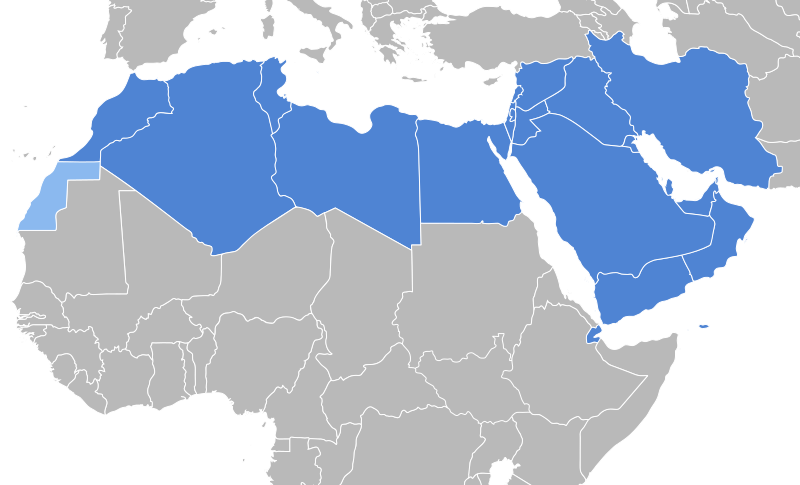
The Middle East: A Trade Hub with Strategic Importance
The Middle East’s location has always made it a focal point for global trade. The region’s critical position between major economies like Europe, Asia, and Africa has contributed to its role as a crossroads for international shipping routes, including vital passages such as the Suez Canal and the Strait of Hormuz. Countries within this region are key exporters of energy resources, petrochemicals, agricultural products, and other commodities. Therefore, any instability can create ripple effects in trade and global supply chains.
Global trade declines, Middle East conflict without acute impact on trade
Trade and Export Disruptions: The Consequences of Uncertainty
When the risk of conflict looms, it triggers uncertainty that can significantly affect international commerce. Trade relies on trust, stability, and predictable conditions for the transport of goods and services. The impact of conflict or even the threat of it can manifest in various ways:
- Supply Chain Vulnerabilities: Exporters often rely on uninterrupted logistics to ensure timely delivery of products. When conflict arises, supply chains can be disrupted, causing delays and increased costs. Port closures, heightened security measures, and reduced access to key routes are just a few examples of how trade can be impeded. Such disruptions can have cascading effects, making it difficult for companies worldwide to fulfill contracts and maintain relationships with buyers.
- Rising Insurance and Transportation Costs: War-risk premiums and insurance rates for shipping and cargo can spike during periods of tension. This increase is passed on to exporters, raising the overall cost of trade. Additionally, rerouting shipments to avoid potential conflict zones often results in longer transit times and higher fuel expenses. For exporters in competitive markets, these cost increases can erode profit margins and affect the competitiveness of their products.
- Market Volatility and Price Fluctuations: Conflicts can lead to market instability, with significant fluctuations in the prices of commodities such as oil and gas. These price swings can benefit certain exporters in the short term but create challenges for industries reliant on stable pricing. For instance, increased oil prices may boost revenues for energy-exporting nations while straining those that import these resources, creating imbalances in trade relations.
Impact on Key Industries
- Energy Exports: The Middle East’s role as a leading exporter of oil and gas means that any disruption affects energy markets globally. Countries dependent on these imports may experience economic strain, which could reduce their purchasing power for other goods. For exporters, this scenario highlights the importance of diversifying trade partners and developing strategies to navigate potential volatility.
- Agriculture and Food Security: Agricultural exports from and to the Middle East can also face challenges during conflicts. Disruptions to transportation routes may lead to spoilage of perishable goods, increased shipping times, and rising costs. For exporters in this sector, maintaining supply chain resilience becomes critical to ensuring that products reach their destinations without significant delays.
- Petrochemical Exports: The region’s prominence in the petrochemical industry means that companies exporting products like plastics, fertilizers, and other derivatives need to be particularly vigilant. Any delay or interruption in the availability of raw materials due to geopolitical tension can affect production schedules, further impacting global supply chains.
Strategies for Exporters in Times of Uncertainty
Given the potential risks, exporters and businesses engaged in international trade can adopt several strategies to mitigate the impact of conflict:
- Diversification of Markets: Exporters should consider diversifying their target markets to reduce dependency on any single region. By expanding trade relationships across different geographic areas, companies can minimize the impact of localized disruptions.
- Enhancing Supply Chain Flexibility: Building flexibility into supply chains is essential for managing uncertainty. This can include creating alternative routes, securing multiple shipping partners, and leveraging technologies that provide real-time tracking and predictive analytics for better decision-making.
- Strengthening Financial Resilience: Exporters should maintain financial strategies that account for potential cost increases, including insurance and transportation. Setting aside contingency funds or investing in risk management tools can help absorb unexpected expenses and maintain business operations during challenging times.
The Global Response: Supporting Stability for Economic Growth
The international community recognizes the necessity of maintaining stability to promote trade and economic prosperity. Diplomatic efforts, peacebuilding initiatives, and regional cooperation are essential components of ensuring that trade continues to flow uninterrupted. The business sector also plays a role in advocating for peaceful resolutions, as trade thrives when stability is ensured.
Investments in infrastructure that can withstand periods of tension, policies that promote diversification of trade routes, and collaborative efforts between governments and industry leaders can foster a resilient global economy. While exporters and importers must adapt to changing circumstances, the overarching goal remains the same: promoting peace and stability to facilitate sustainable growth.
The Path Forward: Resilience and Preparedness
The potential for conflict is a challenge that exporters must navigate carefully. While it is crucial to acknowledge the risks associated with the shadow of war, focusing on solutions is equally important. Exporters should prioritize building resilience into their operations through diversification, strategic partnerships, and proactive risk management.
Understanding the complexities of operating in a dynamic global landscape helps businesses remain competitive and responsive. The true essence of trade is collaboration, transcending borders and differences. By fostering cooperation and promoting peace, the international community can ensure that commerce continues to be a force for progress and shared prosperity.